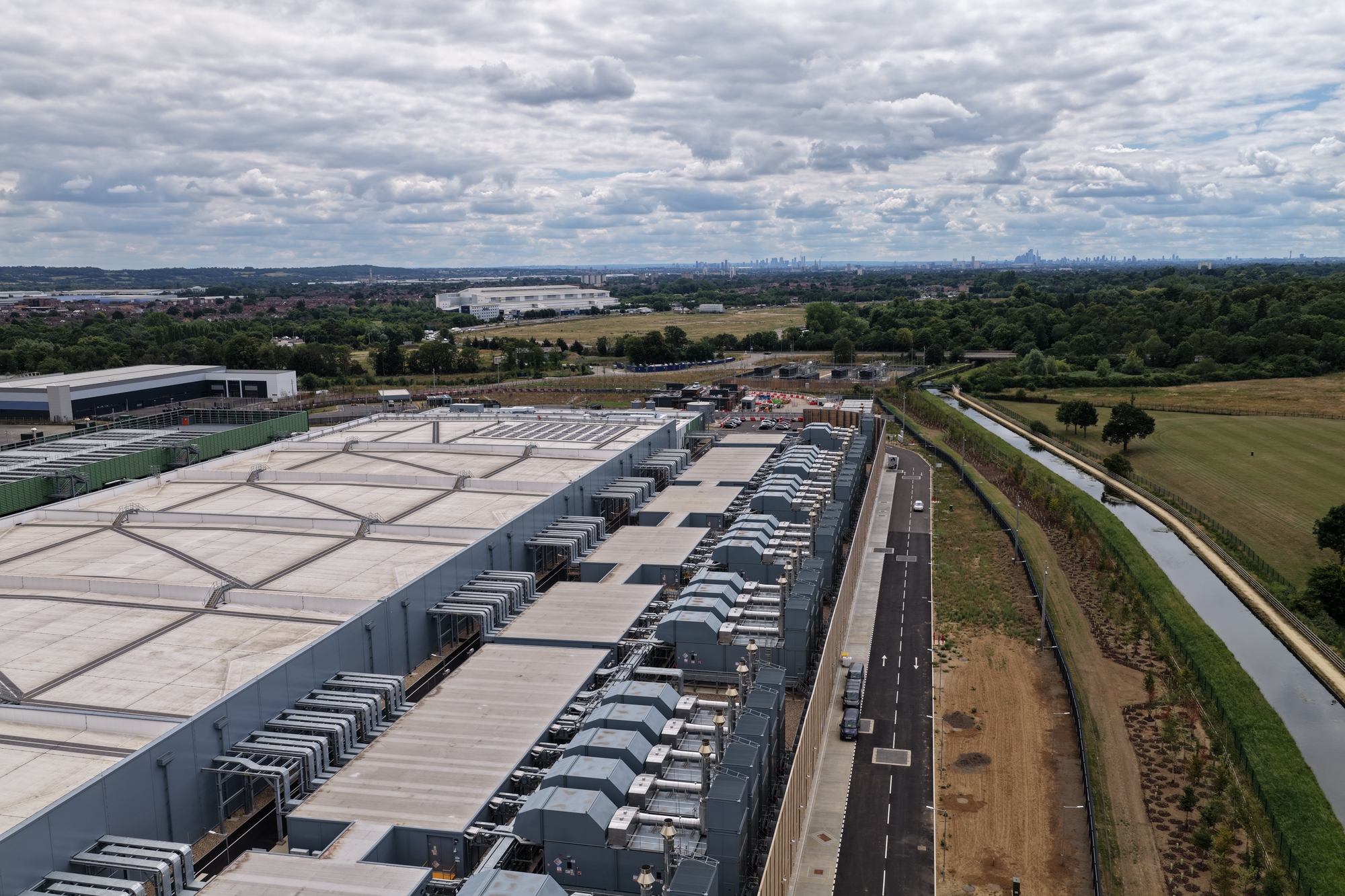
While there are no planned data center projects on the horizon for Sheboygan, the topic continues to be a hot one. The Sheboygan Common Council created the Data Center Education Speaker Series to help answer questions and concerns stakeholders have with the prospect of the centers coming into the county, or even the City of Sheboygan which is developing zoning rules aimed at such possibilities. The Senior Policy Coordinator for the Great Plains Institute, Bridget Williams, was the speaker at last night’s presentation.
When asked about possible security issues with the centers, Williams noted that one community was concerned about how a fire could release chemicals into the air, due to all of the technological components in the building. She also noted that the fire department in one community she was familiar with wanted to create a plan for access due to the heavy physical security surrounding the center compounds. Williams said that “Data Center developers do have significant security. It doesn’t mean local government shouldn’t be thinking about it. I just don’t know if any are”.
Williams spent much of her session addressing water and electricity demands imposed by the centers, which she broke down into “Enterprise”, or small-mid size, Co-location facilities, which can be from small-large facilities with multiple tenants, and Hyper-scale such as the Port Washington center now under construction that will host AI and Cloud Computing.
With the focus on hyper-scale, some facilities exceed 1 Gigawatt of power demand. The Port Washington Data Center covers 1,644 acres and will demand a maximum of 3.5 GW, which she said is almost 3 times the capacity of Point Beach Nuclear Plant which generates 1.2 GW. And it’s expected that data center electricity usage will eventually outpace the entire steel industry in the US.
Williams added that electricity demand growth at this scale hasn’t been seen before. Supplying traditional users was done gradually, over time – until now. Data Centers demand fast development of electrical supply, something that the regulatory and construction segments of the power industry are just now confronting.
Williams said that when looking at water demand of data centers, both on-site (used by the data center itself) and off-site (power generating stations) must be considered. Most data center water usage is comparable to hotels and car washes, but demands by power generation to supply them can be much larger & must be taken into account.
Williams and the Great Plains Institute said that when developing zoning code restrictions such as Sheboygan is undertaking, data centers must be held to same restrictions as existing industries – not more restrictive.
Many enterprises wishing to site data centers have developed Community Benefit Agreements that can bolster and improve communities thanks to agreements made between the company and the community, but much of that depends upon state and local rule. The Port Washington facility did not formally include Community Benefit Agreements; however, they did put some benefits into play without formal agreements. And even when legal language has been written and approval given, enforcement in many areas has been demonstrated as lacking and the language vague. As examples, Williams pointed to failure to reach hiring numbers and clear commitments to the agreements.
One more in the series of expert speakers remains. Next Wednesday will feature Greg Johnson, a Senior Municipal Advisor with Ehlers Public Finance Advisors. That meeting, also at Uptown Social, will be held on September 30 from 6-8PM.
If you missed last night’s meeting, you can access the video online by clicking this link.


Comments